Zometool
Bring math to life.
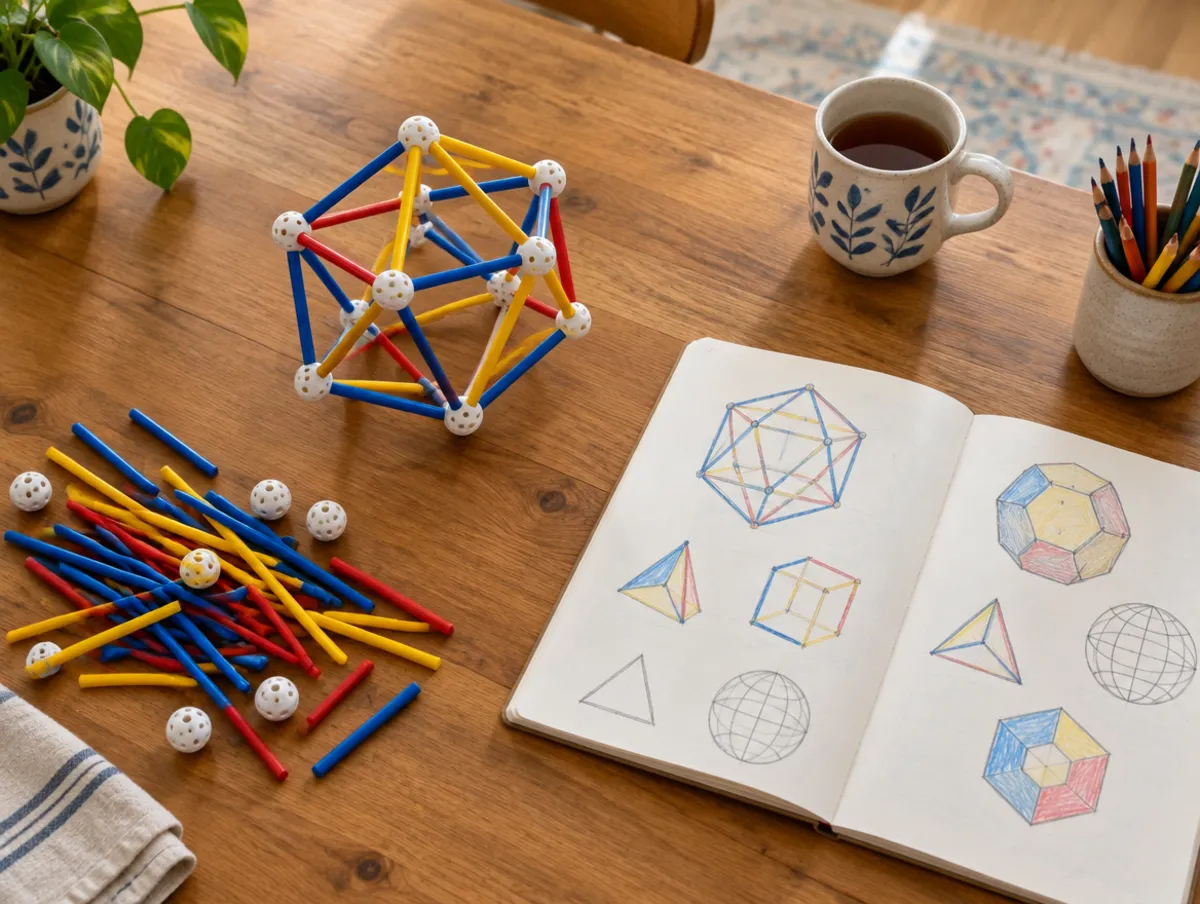
Connect colorful struts and balls to create 3D shapes, explore geometry, and build your own designs.
 ZometoolShop kits
Zometool
Connect colorful struts and balls to create 3D shapes, explore geometry, and build your own designs.
Rectangles, triangles and pentagons in each connector ball decide where a strut can go, so the math is built into every piece.
A first star turns into domes, bridges, crystals and shapes that reach into higher dimensions.
The same system mathematicians and physicists have used in research fits right on the kitchen table.
Zometool turns ideas from a textbook into things kids build, turn over and show off. Parents see focus. Kids see a giant star.


Cubes, pyramids and Platonic solids, built edge by edge until the idea clicks.

Each connector ball carries 2-, 3- and 5-fold symmetry, so balanced shapes happen almost on their own.
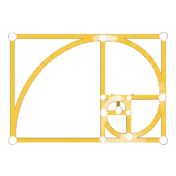
Strut lengths follow golden section proportions, the same ratio kids spot in shells, flowers and art.

Stellated stars, quasicrystals and models of shapes from higher dimensions.
Start small, add parts, and the same pieces keep working as projects get bigger.
Homeschool families use Zometool to make geometry hands-on. Teachers and enrichment programs use it so a whole group can build, compare and talk about the same shape.
 Email our team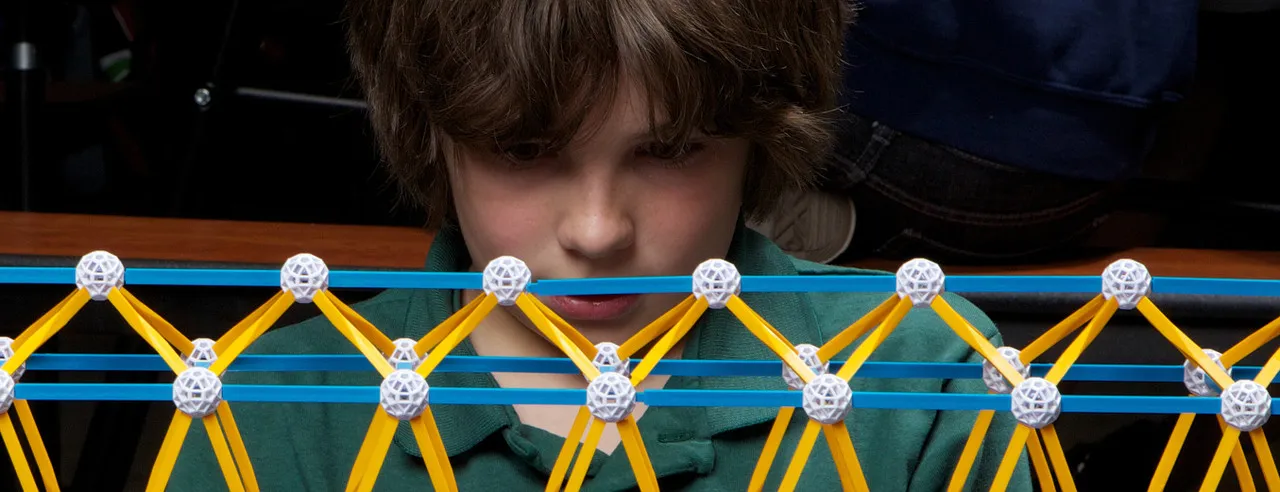
The goal from the start: make this geometry easy enough for a six-year-old and deep enough for NASA, mathematicians and physicists, who have all used it in research.
Zomeworks is incorporated. Inventor Steve Baer, inspired by Buckminster Fuller's dome geometry, had created the earlier Zome system.
Marc Pelletier and Paul Hildebrandt start developing the connector ball in Boulder, Colorado.
On April 1, the first connector ball comes off a mold machined by Bob Nickerson in Denver.
Their company, BioCrystal, Inc., becomes Zometool.
“Beautifully made — the perfect construction kit for quasicrystral models, and for many structures of mathematical interest.”
“Zometool helps me make beautiful objects. I love it!”